Home > Political Economy Analysis
Political Economy Analysis
FHI 360 UK specialises in delivering PEA, which recognises that power is issue and context specific. This perspective draws attention to understanding the agency of different actors relative to their interest, influence, and networks to identify opportunities for, and barriers to, action for progressive change. We use applied PEA to ensure that programmes have greater relevant because they are responsive to the context; deliver insights into why change does or does not happen; help teams to navigate complexity with a focus on opportunities and alternatives; and support decision-making that has a greater likelihood of inclusive, sustainable, and people-centred impact.
We integrate PEA across all of our programming, supporting teams to Think and Work Politically and to deliver politically informed work. In addition to our integrated PEA, which we have delivered in contexts, including Mozambique, Tanzania, and Palestine, our stand-along PEA work has included the following:
Promoting Knowledge for Accountable Systems (PROKAS), Bangladesh
PROKAS was a politically smart programme, that aimed to increase transparency and reduce corruption in Bangladesh by supporting action in areas where there was strong potential for change. PROKAS worked to solve complex accountability problems through coalition building and collective action approaches.
FHI 360 UK lead on the Political Economy Analysis (PEA) approach for PROKAS, providing ongoing PEA throughout the programme, complemented by issue-based PEA deep dives.
In addition to providing PEA, FHI 360 UK build the capacity of project partners to conduct PEA and ensured that a PEA approach was integrated into the day-to-day running of the programme by providing specific training to staff on integrating political economy approaches into programme delivery and the programme’s Issues-Based Partnerships (IBP). FHI 360 UK provided mentoring for IBP managers, programme staff, and partners via collaborative working practices.
Nigeria Policing Programme (NPP).
FHI 360 UK conducted a PEA to identify feasible, Federal-level entry points for the FCDO’s Nigeria Policing Programme, which aimed to tackle challenged with the Nigerian Police Forc (NPF). Our PEA focused particulately on the oversight and accountability of the police force and followed a “drivers of change” approach. The PEA built a better understanding of how things work, vis-à-vis how they’re supposed to work between oversight and accountability bodies/ departments, to inform change strategy. We also ascertained where possible linkages with the Federal Government’s wider public service oversight/ reform regime existed, which could have the potential to influence effectiveness of public safety and security providers.
Gender and Social Inclusion PEA & Civil Society Mapping in DRC.
FHI 360 UK conducted a GESI PEA in South Kivu and Kasai, aimed at strengthening the FCDO’s understanding of the barriers and enablers to women’s political participation in these two states. This report was used to inform the design of a new FCDO governance programme.
PEA to inform BHC Pakistan’s Current & Future Programmes on Resilience Building and Climate Adaptation.
FHI 360 UK conducted a PA to assist BHC Pakistan and partners in the design and implementation phases of a new programme on climate resilience and adaptation. This programme focused on areas that presented a balance of high vulnerability, higher exposure to future climate risk, and where there was political traction for institutional strengthening. Our PEA helped to identify the incentives, relationships, and distribution of power between ministries, political representatives, COs, and citizens at federal and provincial levels as well as to identify entry points and realistic pathways to change.
Training Workshops – Thinking and Working Politically.
FHI 360 UK delivered a range of training workshops for members of staff from across HMG missions in Kenya and Somalia. We provided expert training, informed by real-world knowledge and experience, to support the development of tools, concepts, and approaches for Thinking and Working Politically. The training helped to put theory into practice, guiding HMG staff for foster politically informed approaches, skills, and knowledge to develop, design, and deliver appropriate and politically informed programmes to achieve policy outcomes.
Context Analysis of Sustainable Security and Prosperity in Algeria.
FHI 360 UK provided a team of conflict analysis and security sector experts to refresh and deepen understanding of the factors that support or undermine stability and prosperity in Algeria; inform updates to HMG programming; and establish grater coherence between programming and wider diplomatic engagement. The FHI 360 UK team undertook a wide-ranging desk review, workshops, and meetings with key stakeholders in order to provide a sound foundation for onward analysis. The review assessed the deeper structural factors and relationships that lead to conflict across the socio-political environment; identified groups of actors with a stake in the conflict and the relationships between them; and provided recommendations on opportunities for resolution.
Security and Justice PEA in Zimbabwe.
FHI 360 UK developed a comprehensive PEA on the security and justice sector in Zimbabwe to support the FCDO’s understanding of the sector; identify constraints and opportunities; and develop a baseline by which to challenge and test assumptions. We also delivered an assessment on the ability of Zimbabwe’s Parliament to provide oversight of peace, security, public expenditure, gender equality, and justice. The PA informed existing FCDO programmes, while also guiding areas for future and evolving programmatic engagement.
Our projects

Caren Koli, 30, a data entry officer- enters data received from the field study- into the system at the LISA trial facility based in Kangemi, Nairobi.
Our projects
Recent projects
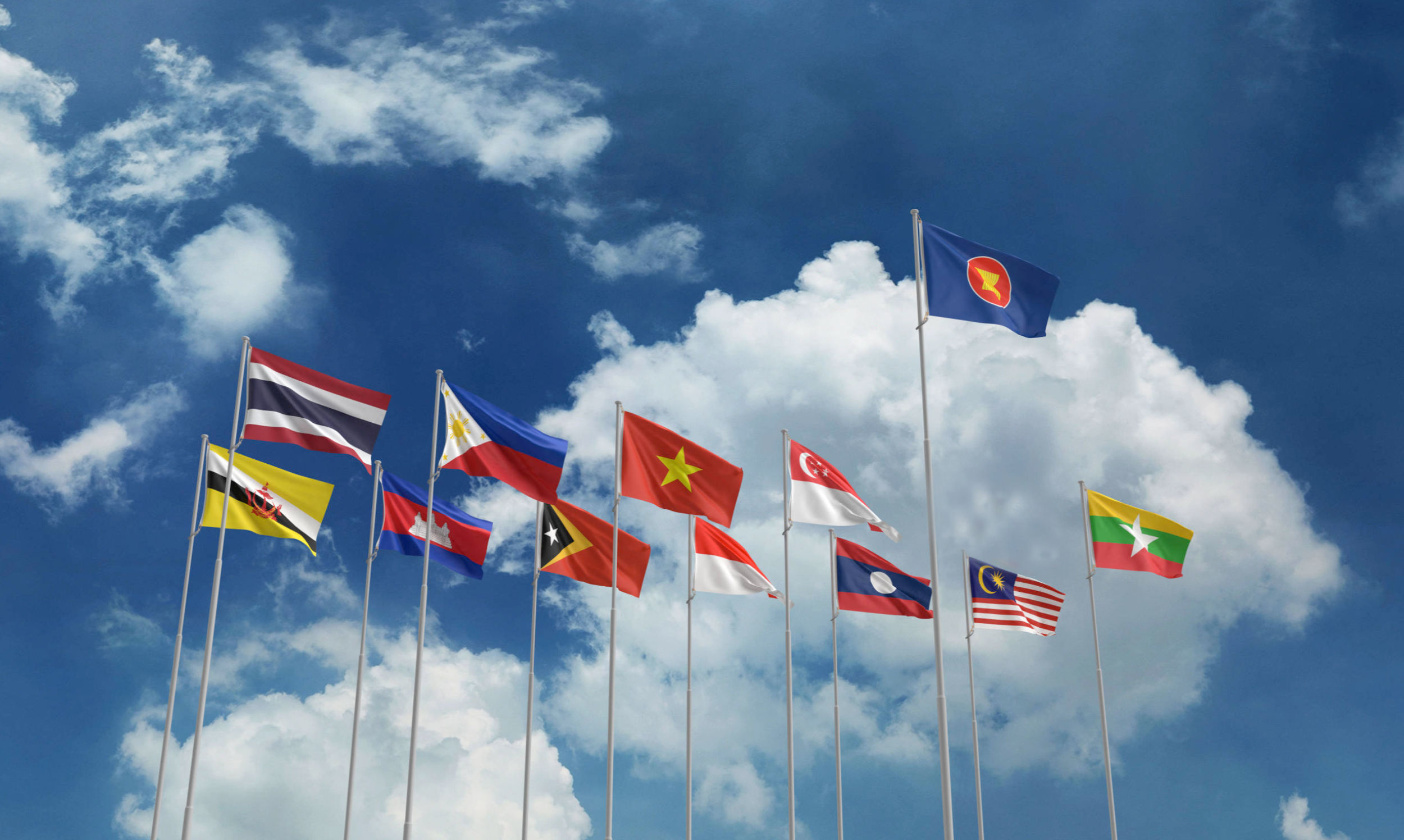
ASEAN-UK Health Security Partnership (HSP)
The ASEAN-UK Health Security Partnership (HSP) is a five-year initiative focused on strengthening health security and improve equitable access to…

Partnership for Learning for All in Nigeria (PLANE)
The UK FCDO-funded Partnership for Learning for All in Nigeria (PLANE) Programme is a seven-year programme that supports and realises…

ISNAD - Empowering Palestinian Institutions and Civil Society (EPICS)
ISNAD is a key component of the UK Government’s support to the Palestinian Authority, working with the Palestinian Authority to…