Home > Clean water, health care and nutrition for families in Borno State, Nigeria
Clean water, health care and nutrition for families in Borno State, Nigeria
20th October 2026
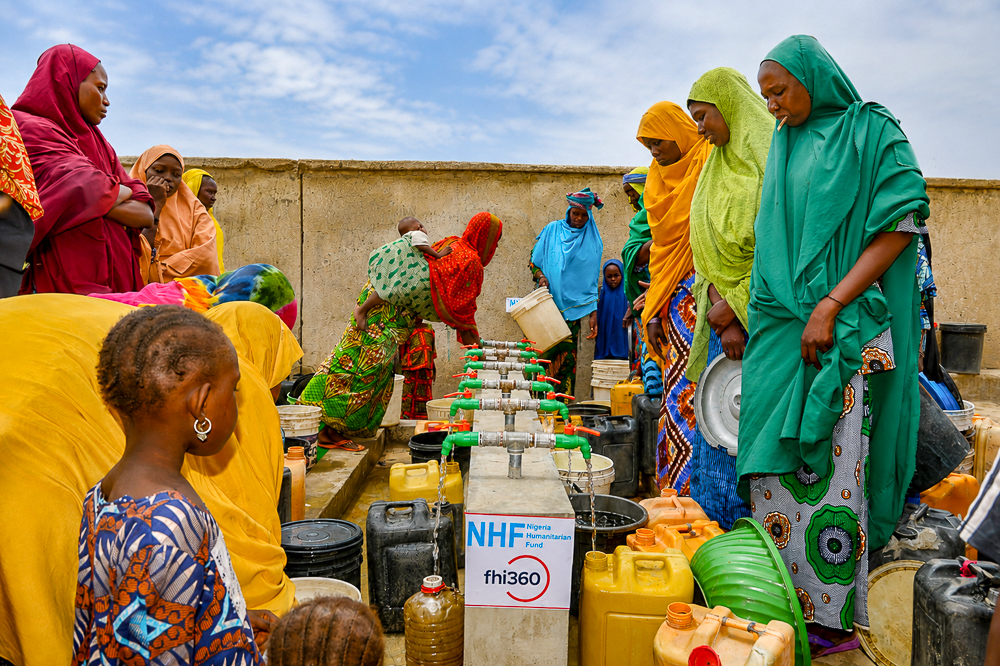
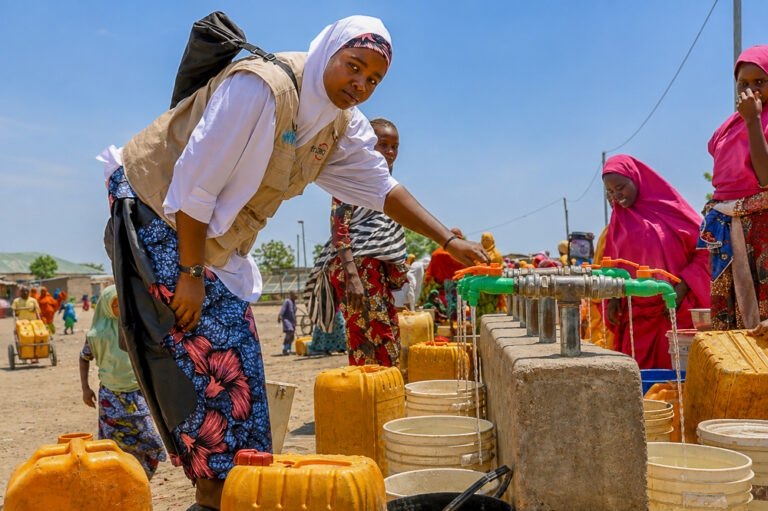
Women and children collect water from a water point installed by the Integrated Humanitarian Assistance in Northeast Nigeria project.
Until recently, fetching clean water in Kaigama — a camp for internally displaced people in northeast Nigeria’s Borno State — could take all day. The trip took several kilometers by foot, with community members setting off at 8 a.m. and returning in the evening. Children often missed school to make the journey.
More than a decade of conflict in northeast Nigeria has disrupted health services, reduced access to clean water and raised the risk of disease and malnutrition. IHANN responds to these interconnected challenges by providing integrated health, nutrition, protection and WASH services across Borno State. The project is managed by FHI 360 and implemented with operational support from FHI 360 UK, through funding from the Nigeria Humanitarian Fund.
“Communities do not experience their needs in one sector,” says Elvis Ogweno, chief of party for FHI 360 UK in Nigeria. “A malnourished child may also require health care, the child’s family may need safe water, and the neighbor or cousin of the child may require protection services.”
Expanding access to health care
IHANN supports eight health facilities, some open around the clock, which provided nearly 70,000 clinical consultations between April and October of this year (all figures in this article cover this time period). Community workers who diagnose and treat malaria, pneumonia and diarrhea reached 4,477 children under five, and IHANN’s maternal and child health services supported 1,173 safe deliveries and provided routine immunizations to 1,291 children.
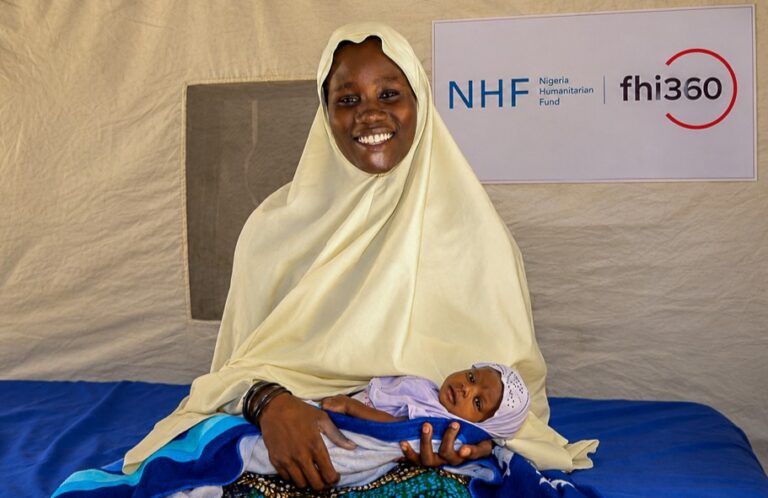
Falmata holds her newborn at a health facility in Ngala, where she received care for a safe delivery and recovery.
Nigeria is facing a severe cholera outbreak this year. The team runs two cholera treatment centers and has trained hundreds of health workers to spot and report outbreaks early. More than 35,500 people have benefited from cholera prevention and response activities, including hygiene lessons and referrals for treatment.
At Gamboru Primary Health Care Center, the change is clear. Before IHANN, says health worker Nassiru Iliya, the center lacked doctors, nurses and midwives, adequate supplies, and a working lab. Now it has the medicines and equipment it needs, and the lab can run tests. “The people of the community are really happy,” he says.
By supporting existing health facilities, equipping frontline workers and strengthening the detection and reporting of disease outbreaks, IHANN is helping local health services respond to immediate emergencies and better manage future health risks.
Bringing safe water and sanitation closer to home
For many displaced families, finding safe water is a daily struggle. IHANN converted five hand-pump boreholes to solar power and drilled a new one, bringing clean water to an estimated 36,000 people. Routine chlorination and testing help ensure water remains safe to drink. The project also connected five health facilities to clean water.
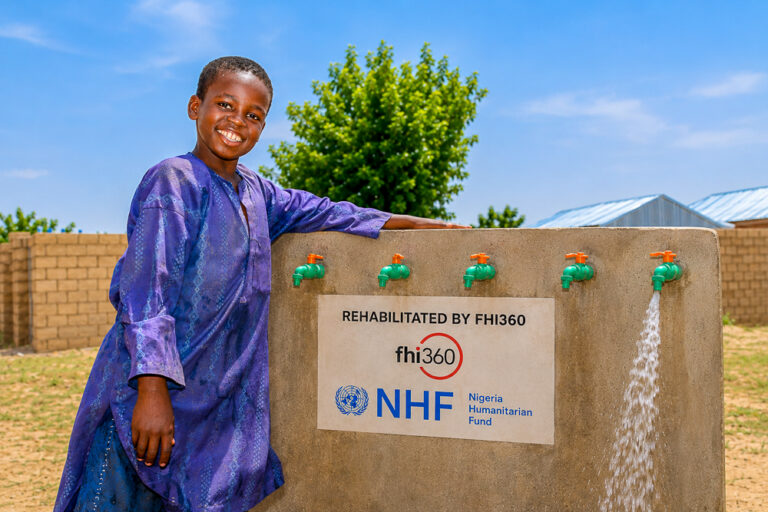
A boy visits a rehabilitated water point.
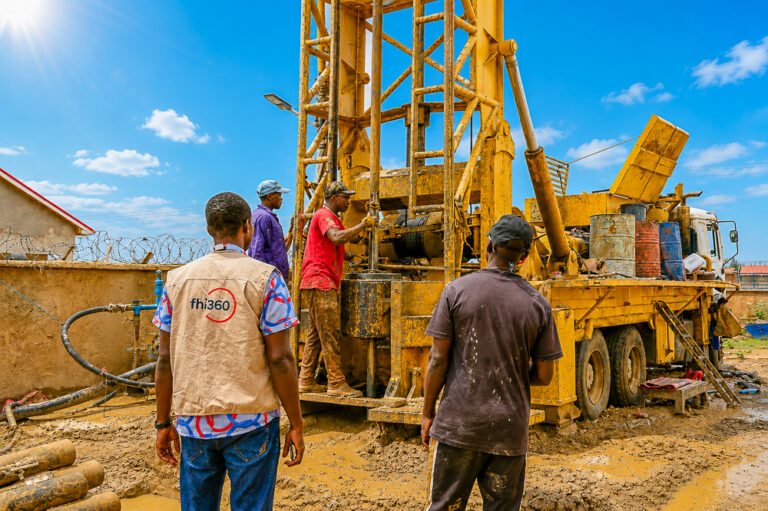
Borehole drilling in Mafa.
Nearly 30,000 displaced people across five camps and three facilities now have safer, more private toilets and washing areas. Hygiene volunteers visit homes and run community sessions on handwashing, storing water safely and preventing cholera.
Integrating protection across services
Conflict and displacement can increase risks such as violence, exclusion and barriers to accessing essential services.
IHANN integrates protection across its services, training staff to identify risks and reduce barriers to safe, accessible access. People can raise concerns safely and confidentially, and staff connect those who need it to counseling or specialist support.
“Integrating safeguarding measures into all health, nutrition, and water activities helps ensure that everyone can safely access the services and support they need,” says Ruth Shalli, senior technical officer for safeguarding.
Helping families improve child nutrition
IHANN screened more than 58,000 children for malnutrition and admitted more than 7,100 to treatment for severe acute malnutrition. Through 264 community support groups, more than 10,000 people received advice on feeding babies and young children.
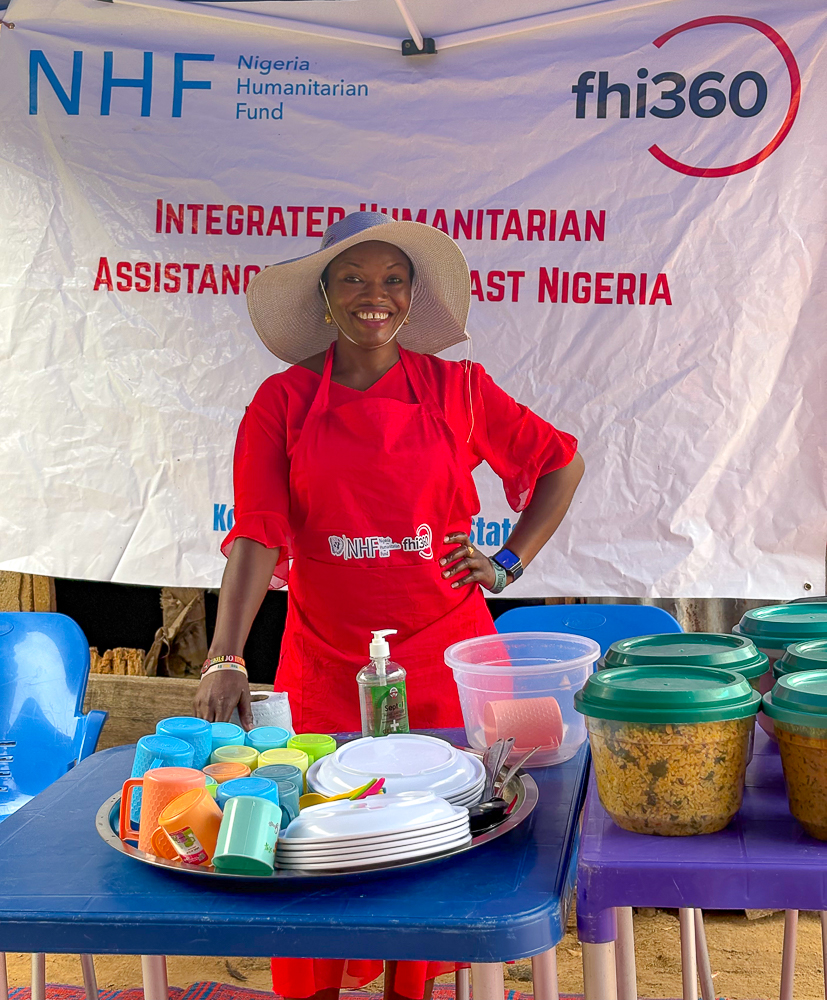
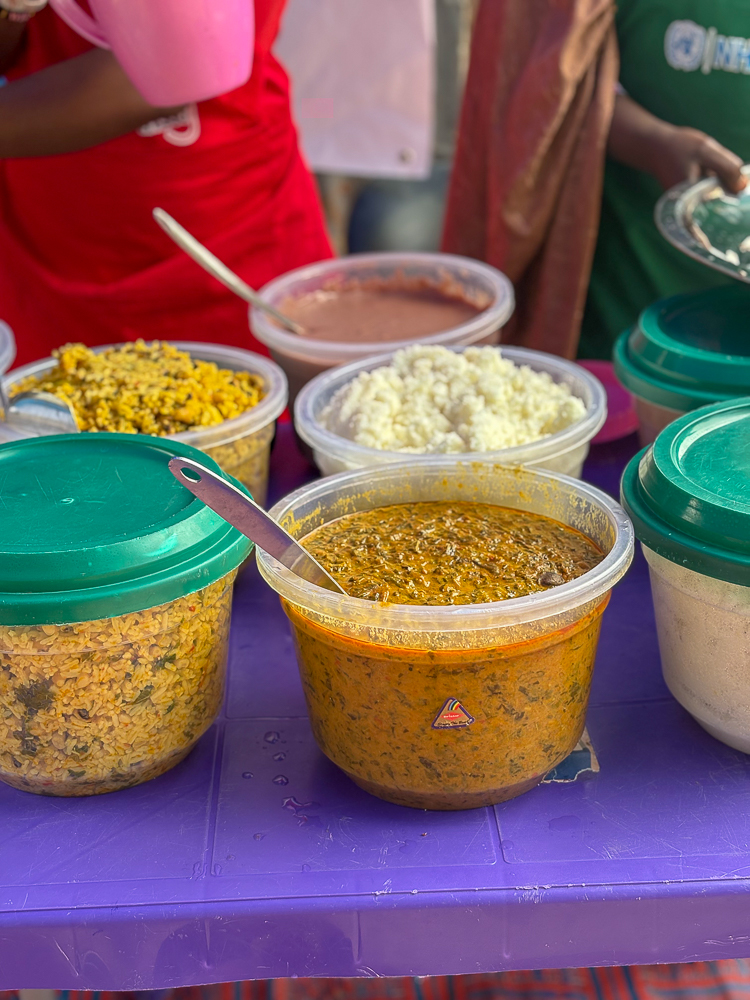
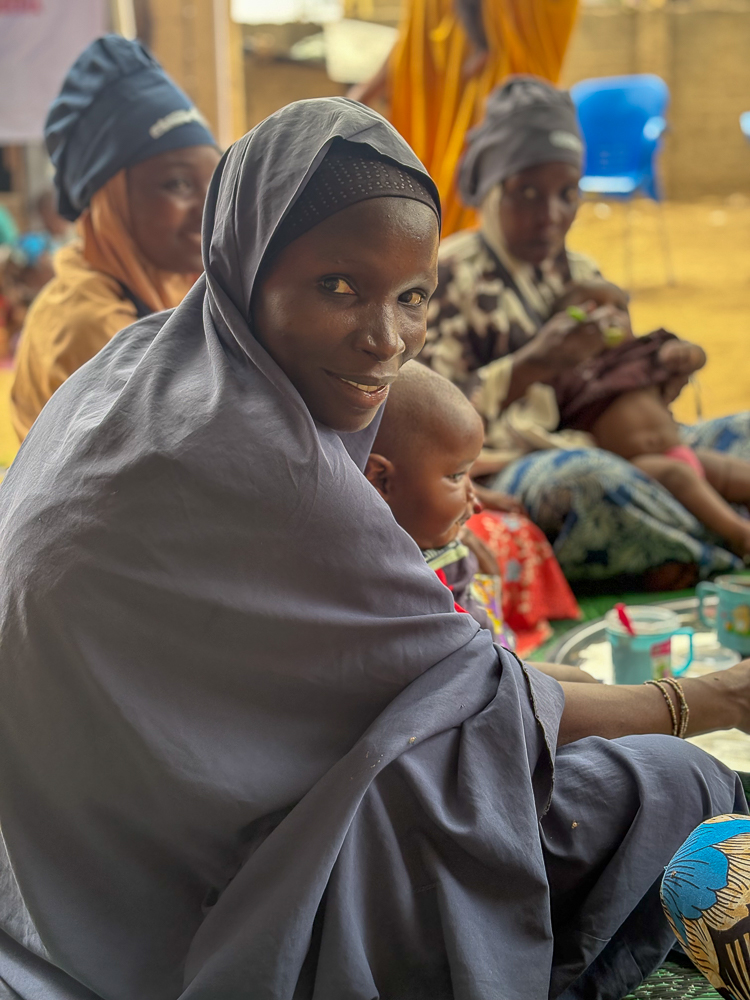
One effective approach: hands-on cooking demonstrations led through mother-to-mother support groups. Caregivers learn how to make nutritious meals using affordable, locally available ingredients. Sessions include best practices for hygiene, because proper nutrition and hygiene are both necessary to prevent malnutrition.
Judith Agbo has been leading cooking demonstrations for five years.
Common dishes include Tom Brown porridge — a traditional meal made of grains, soy and peanuts — and enriched jollof rice and beans mash.
A woman who took part in the cooking demonstration with her baby.
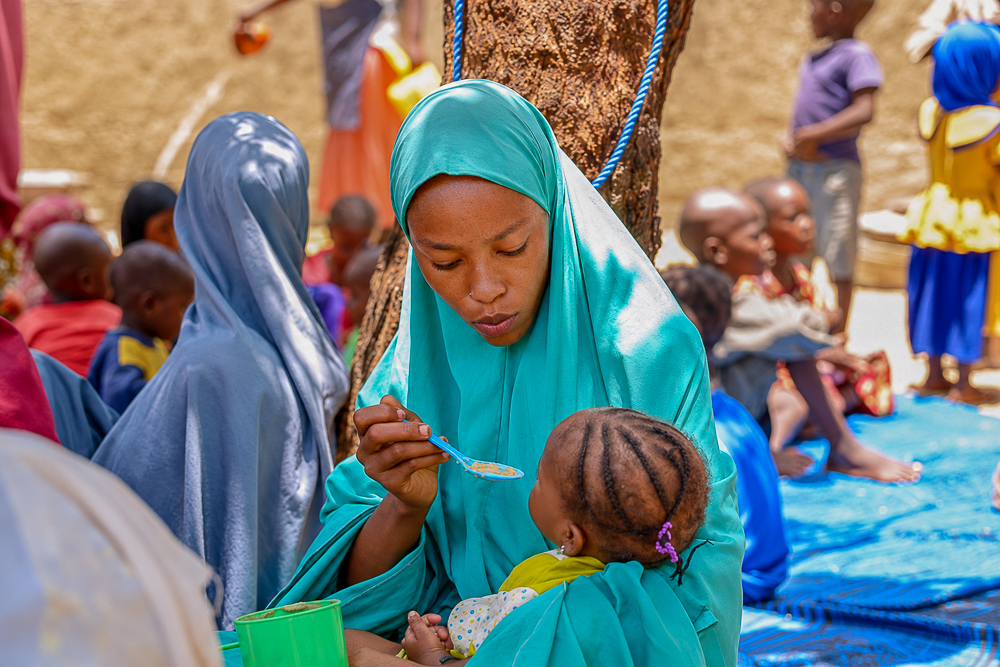
A woman feeds a baby at a cooking demonstration.
“Caregivers are usually happy and surprised when they realize they do not need expensive ingredients to prepare a nutritious meal,” says Judith Agbo, FHI 360 UK assistant technical officer of nutrition.
IHANN shows how integrated humanitarian assistance can reach hard-to-access communities while supporting local capacity and resilience. For parents like those in Judith’s cooking groups and communities like Madu’s, that means healthier children, safer water and a stronger foundation to rebuild on.
All photos are credited to Sunday Williams/FHI 360 UK